
-
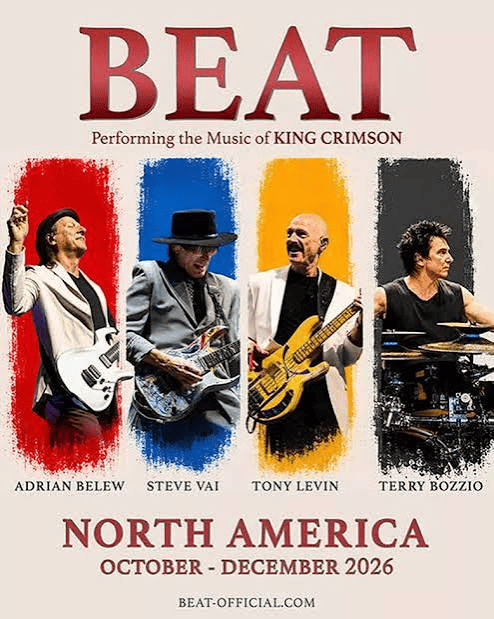

It’s Only Talk: Adrian Belew previews BEAT’s return to Rochester
Read more: It’s Only Talk: Adrian Belew previews BEAT’s return to RochesterWhen Kendrick Lamar played the halftime show of the big game on Feb. 9, 2025, he made my job as a parent that much harder.…
-
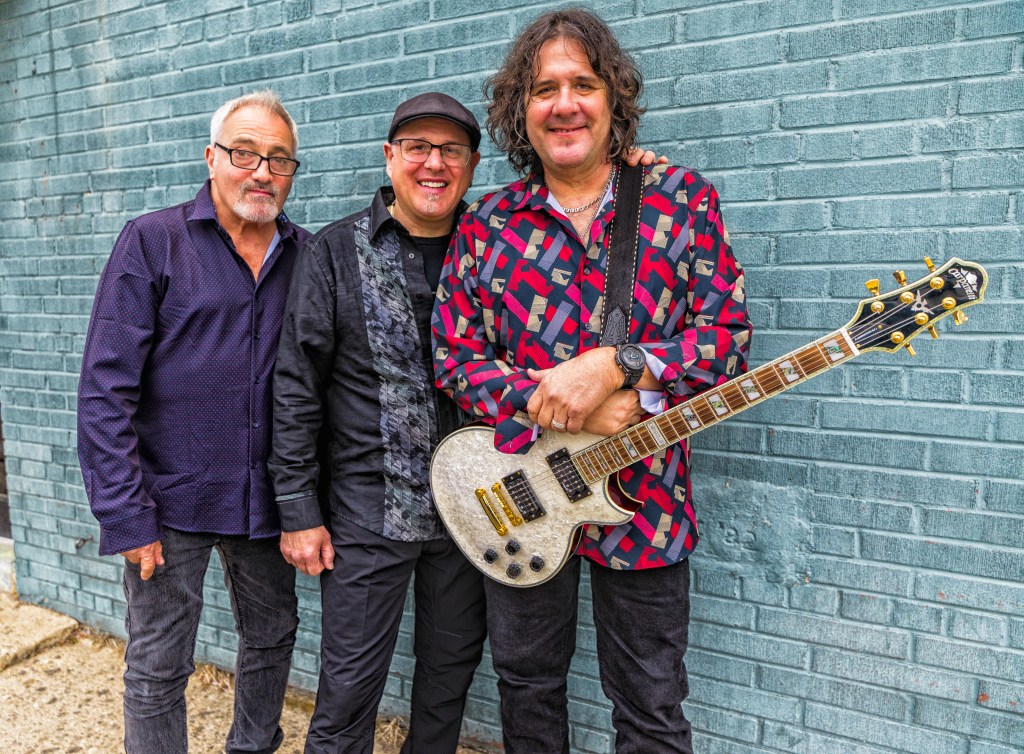

Summer heats up as Sean Chambers & the Savoy Brown Rhythm Section come to The Caz
Read more: Summer heats up as Sean Chambers & the Savoy Brown Rhythm Section come to The Caz“If you don’t think you have the blues, just keep living.” – Buddy Guy I’ve been fortunate to speak with a number of blues musicians…
-
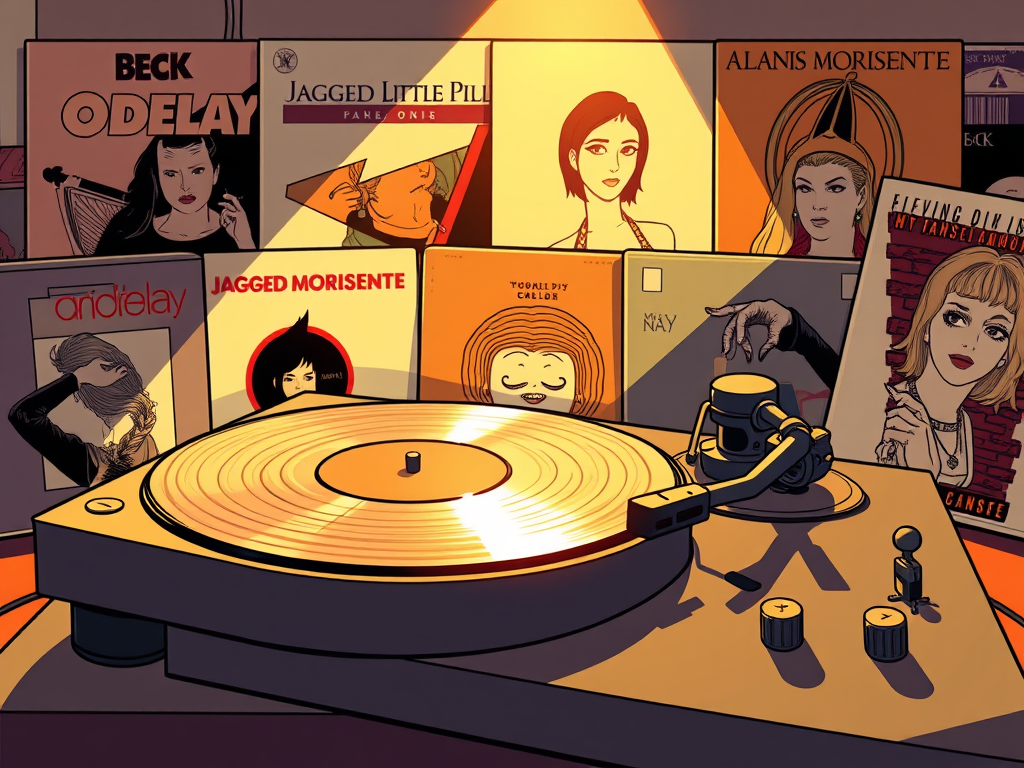

Heaven Help Me for the Way I Am: My Favorite Albums of 1996
Read more: Heaven Help Me for the Way I Am: My Favorite Albums of 1996“In the nineties, doing nothing on purpose was a valid option, and a specific brand of cool became more important than almost anything else. The…
-
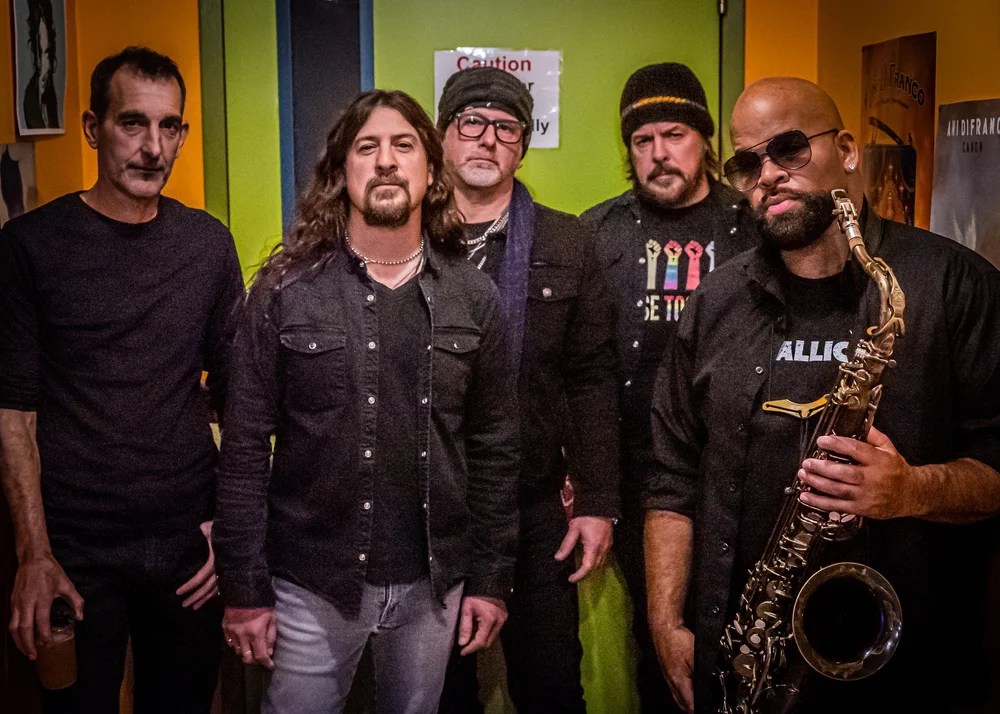
The Hard Way: Bruce Wojick and the Struggle take the listener on an impassioned musical journey
Read more: The Hard Way: Bruce Wojick and the Struggle take the listener on an impassioned musical journeySmashing Pumpkins co-founder Billy Corgan recently theorized that record companies began orchestrating a deliberate minimization of rock ‘n’ roll in the late ’90s following a…
Writing Pillars
Catching up with bands/artists whose cultural contributions carry more weight than their public profile.
The aim is to resurrect long-form discussions that allow the subject to expound upon topics without fear of reprisal.
Click Bait need not apply.
Let’s make America read again.
Breaking down shows from Buffalo and Beyond
Anyone can give a synopsis or regurgitate a press release.
My approach to reviewing a show is to make the reader feel how I felt in the moment and put the performance into a deeper context.
Otherwise, what’s the point?
Taking a deep dive on new releases and old favorites that deserve a second look.
Nearly two decades of doing this has convinced me that people would rather have their opinions reinforced than engage in any form of healthy intellectual discourse.
Having said that, my philosophy has never wavered.
Honest, unmerciful, and 100% authentic at all times.
Miscellaneous opinions on topics of the day.
Every once in a while, I’m compelled to push back on a narrative or offer a perspective that nobody in mainstream media has the guts to deliver.
I come at stories in a unique way and refuse to see everything through a political and racial lens.
Coming together through shared experiences is the only way forward.
Because we all need a little distraction from time to time.
Everyone loves a list and I’ll do my best to keep the topics fresh.
Movies, music, books, TV etc.
It’s all in play.
Random stuff
Anything that doesn’t fit into the previous categories will end up here.

