
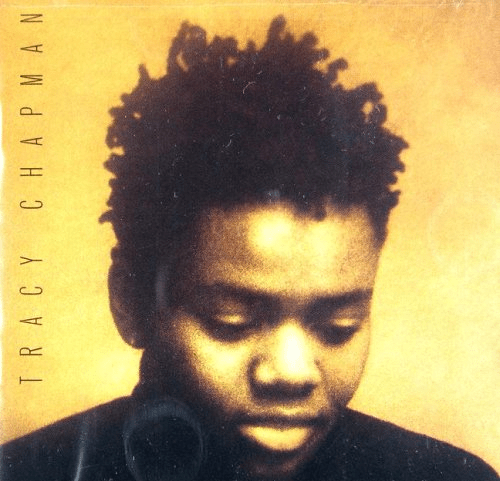
Snopes.com touts itself as “the definitive Internet reference source for researching urban legends, folklore, myths, rumors, and misinformation,” but, if the people behind the curtain had any real stones, they would’ve squashed the victimization narrative that emerged in the wake of Tracy Chapman’s performance at the 2024 Grammy Awards. Mostly everything that I read following her first public appearance since 2020 suggested that she was finally “getting her flowers” and being welcomed by the establishment, which, if you’ve followed her career at all, you know that couldn’t be further from the truth.
Her 1988 debut album went 6x Platinum, her 1995 album, “New Beginning” went 5x Platinum, and she has four well-deserved Grammy Awards to her name. How anyone can say that a woman with all those accolades has been somehow snubbed by an industry she has made a conscious effort to distance herself from is puzzling, but that’s what happens when people with no interest in accountability take to social media platforms. They project their own agenda onto someone who’s not interested in being a pawn in anyone’s political chess match and the younger generation reading their words take them at face value.
I said that mostly everything I read was divisive bullshit, because there was one article that surfaced from the San Diego Union-Tribune that I felt summed up exactly why Chapman is too good for 2024.
In the interview from 1990, she’s quoted as saying, “The way I see it, there certainly was a time when people saw cultural backgrounds dictating how they created music. But I think at this point, with mass communications, people are exposed to all different styles of music and culture. Your race or heritage is no longer relevant, or it’s as relevant as you choose to make it.”
The fact that she said that back in 1990 yet fans still wonder why she doesn’t put herself out there more at a time when media tells us that race is the only thing that matters is hysterical. Young people are so accustomed to attention-seeking behavior that they can’t understand why someone with that level of talent would choose to live quietly rather than bask in the adulation of others.
When Luke Combs shared his motivation for covering “Fast Car” before their performance, his explanation was as genuine as I expected. He recognized the brilliance of that record at a young age (as did I) and wanted to honor the woman responsible for its creation. There are enough real threats in the world that people needn’t waste time theorizing that Combs is behind a nefarious plot to appropriate a black woman’s work to bolster his own, but, then again, should we expect anything different given the current landscape?
My hope is that people will focus on the music and actually seek out Chapman’s back catalog without thinking that she’s been blackballed. If physical media isn’t your thing, then I suppose Spotify or Amazon Music will suffice, because, with 24-hour access to more content than at any time in human history, there’s no excuse not to.

 Music N' Other Drugs
Leave a comment