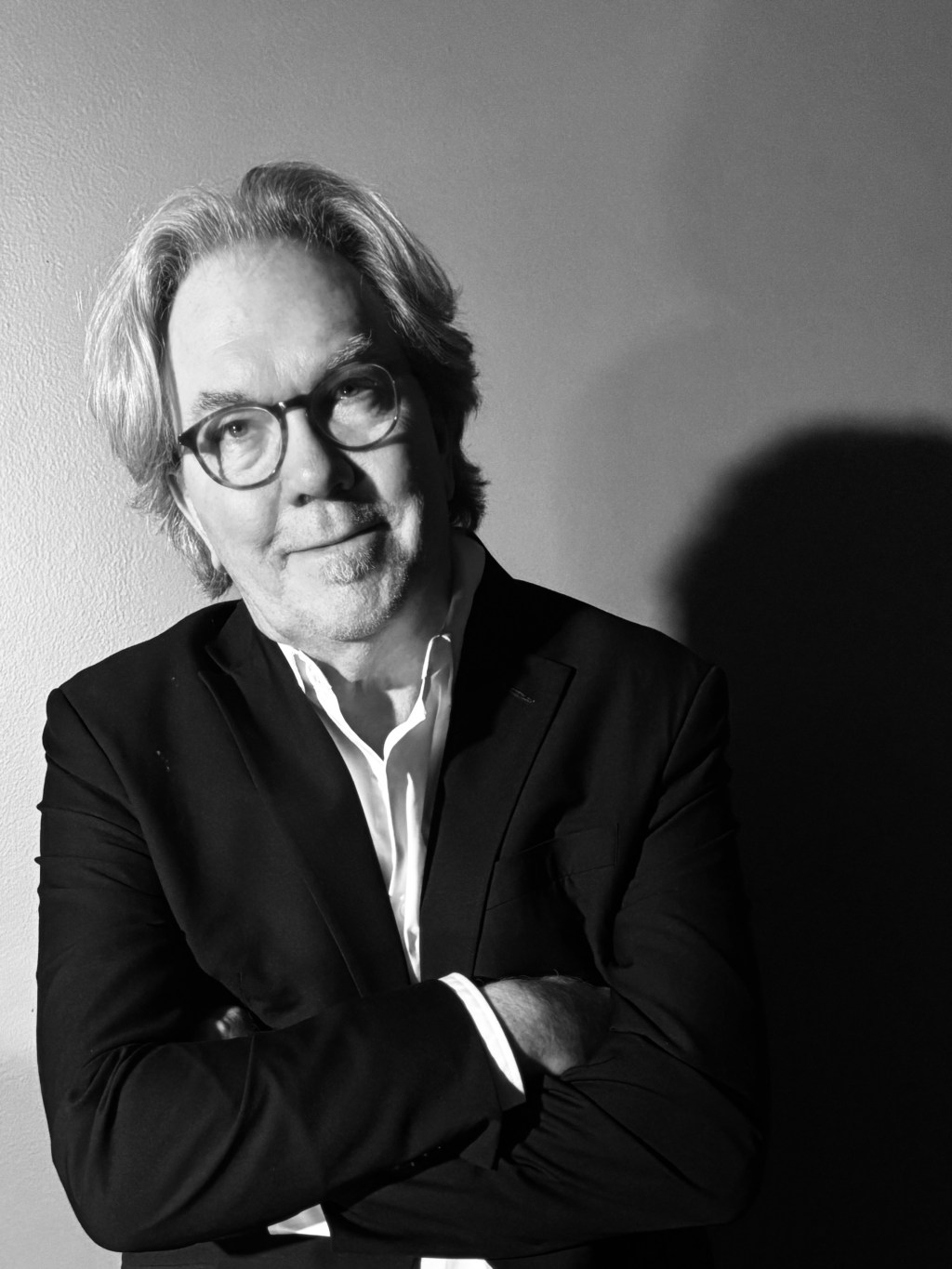

2025 has been the most arduous year of my life.
God has tested me in ways that I never expected and wasn’t entirely prepared for, but albums like John McAndrew’s “Better Side of Me” have made the misery easier to deal with. There’s a contagious message of hope, redemption, and gratitude permeating his material that AI simply can’t compete with, so when he sings about letting go of things that are inconsequential, you feel it from the inside.
I spoke with him recently about the new album, his ongoing path to sobriety, and how his mission to heal people through music has taken on a life of its own. He’s a survivor in the truest sense of the word, and exactly the type of voice we need amplified at a time when BlackRock and Vanguard appear to be tightening their grip on the music industry.
MNOD: I’ve been listening to the new album, “Better Side of Me,” for a while and it’s really clicked with me. Tell me how the project came together.
McAndrew: My first record deal was Muscle Shoals Studios down in Alabama. And I went down there and did a record and then took it to a producer in Morgan Ames, and she introduced me to Denny (Seiwell) to play drums on a project. And so we did some live gigs and all of it kind of turned into a closer friendship. And then finally, about a year and a half ago, I went to LA to do another album project. And that producer, something happened with that project and Denny said, why don’t we record a couple songs? And we went in the studio and boom, we decided to do a whole record. It was just one of those things that kind of happened.
MNOD: I know I’ve interviewed other artists in the past and some focus on the sequencing of the songs and some don’t really get involved with that a great deal. When I listen to the album, “Only You,” is such a great way to kick off the record, but it’s one of the more up-tempo numbers and then it segues into a lot of ballads after that. Was it coincidental or was it kind of intentional on your part to open the record with that song?
McAndrew: Well, it sure was, and in fact, that’s the first song we recorded when we went to Fernando’s studio. Denny had worked with Fernando and said, I know a place where we can go record, and the guy’s a great musician and what do you got? And that’s the first song we recorded and what you hear is basically that first take and then a couple of overdubs. And so yeah, we did put that first on there. We had a couple of other up-tempo songs that we recorded and in the last minute, Denny wanted to make it all original stuff, So we picked the best of the batch. And that’s kind of the way I start concerts is sort of up and then get a little more serious and then get more up at the end. I’m glad you listened to the sequencing because that was a big, big deal for us, the old school singer songwriter. We’re trying to tell a story and trying to keep you hanging in, trying to engage you and then keep you engaged.
MNOD: Yeah, I definitely got the sense of that when listening. “Up on River Road” is a track that I really like a lot. I mean, you have such an emotive quality to your voice on that song, but I think “Let It Go Tonight” might be my favorite on the album. How did that song come about?
McAndrew: Well, that was one of the last ones, and it’s a song sort of in my journey. I kind of had an old life and a new life and I had an abusive affair with alcohol and other drugs. I lost that one. And when I started this kind of new life, every other human being, there’s some things you got to let go. And one day I was eating lunch with an old guy and he was talking to this young kid and a young kid was complaining about his girlfriend. Swear to God, David, it’s exactly how it happened. And this old guy looked at the young kid and he said, whatever, I forget his name. I’ll say his name was David. He goes, David, make a couple of fists real tight. And the kid’s looking at him, what are you talking about? He says, just do it. I say, and then he said, make them real tight. He says, no, open them up and just let go. He said, you got to let go of that stuff, dude. It’s not your girlfriend’s fault. And that’s where the song originated. And then it was one of the last songs that I wrote and made it on the record. I’m really glad you liked that. I love the title of your blog. I wanted to ask you, what’s that about?
MNOD: Oh, yeah, that was something that came to me when I was trying to come up with names for what I wanted this site to be about. I started the site almost eight years ago and I had a few different names at the beginning, and that’s one that felt kind of catchy to me, so it stuck.
McAndrew: Yep. Because that song and some of the other music is really a powerful, it’s a powerful healing thing, and I think it kind of fixes what’s ailing you. So, I kind of like the title of your blog. That song follows in that category.
MNOD: Yeah, thanks. I appreciate that. I’ve been going through various stresses in my personal life, and this was an album I really connected with when I first heard it, so I just want to let you know that too.
McAndrew: Oh, terrific. Awesome.
MNOD: When you record a song such as “Let It Go Tonight” or “If It Weren’t for You,” how easy is it for you to get into the mindset to be able to deliver the kind of performance you need to deliver on that?
McAndrew: Well, here’s where I got to really give credit. I’ve been lucky to work with producers and some of the best musicians in the world, and this is where I gave a little kudos to Denny Seiwell. He’s so experienced, and I’m sure a lot of the people that will be reading this and know what you do. Denny played with McCartney and formed Wings, and he’s produced Billy Joel. All these old artists and a lot of new artists. So Denny just has a keen sense of what’s going to work and the groups and once all that’s laid out and you sing a song, and we would do them all at one time and I’d fix a little bit of it in overdubs, but when it’s feeling so good, it’s easy to emote and it’s easy to have to float on top of the song and sing it that way. And with Fernando, he and I kind of dancing in between the pianos and the guitars. It all just came together that way. So, it was easy. It was easy.
MNOD: Another thing I love about the way in which this album is produced is that it sounds like these songs are pretty easy to replicate in a live setting. Is that something you were conscious of at the time?
McAndrew: Well, yeah, and we were conscious of not overproducing. Definitely. And man, we were so tempted to put some more background vocals in and some other stuff, but absolutely. And first of all, the song has to work, me singing at the piano and then to do a good album. We did think about all that. In fact, we did a live show in LA recently, and we replicated that record pretty well. I had a couple spots where just Fernando and I played, but we replicated it pretty well, and it’s not too tough to do. So, the answer is yes, we were conscious of that and made it sound like me.
MNOD: If you were to take this album out for a tour, would Fernando be able to tour with you or does he have too much going on?
McAndrew: Yes, he will. He would, yeah, we’re working on some stuff starting in New York City and up into Connecticut and probably little performing arts centers and stuff like that. And we’ll bring at least Fernando and then depending on how big the events are, we can get bigger. But that’ll definitely be new way probably with a trio percussionist and Fernando and myself or maybe four guys, bass player, and we can do a pretty good job performing and getting that across that way. He’s just an absolute amazing guitar player. I mean, man. We came out and kind of did the first four songs as they are on the record. And then I did, I got some kind of rock and blue stuff that I do have that didn’t make this record. And Fernando and I did a couple of those, just he and I, we’ve got that on tape and recorded live. So, if folks get a chance to see the live show up on my website, give me new eyes. It’s really a cool one that Fernando did. He just shined on it and we kind of rocked it out, the two of us.
MNOD: I know that the whole music therapy aspect of your sound and your mission to write these songs is important. How did that kind of become a big cause for you?
McAndrew: Well, I got started in this new life and I played, I paid my dues, as they say, playing live and every kind of honky talk beer, joint restaurant, outdoor concerts, every kind of thing. And in this new life, I kind of would write some songs and I’d be asked to perform them, perform them in different places than I was used to, kind of places where people were listening maybe a little more. And then I got asked to work in places that help people use music for healing. And I kind of backed into it. And after some time goes by, I’ve kind of become, I’ve learned a lot about it, the power of music in recovery and in everybody’s lives. We know now the power that music has over your immune system and your healing. And people with dementia can, they can’t remember anything, but boy, they’ll remember a particular song. So, there’s a spot in the brain that I think is just connected to the heart and to the memory that just stays there forever. And that’s the power of music. So, it does affect what I write. I kind of love playing boogie and blues as well. So, in a live show, we mix the two and we can have fun and plus get serious at the same time.
MNOD: I’m interested in how your creative process changed or did it not change at all once you got clean and passed all the drinking and everything?
McAndrew: Well, it’s a really great topic because a lot of musicians talk about their old life in the new life. I think it’s a common, I’ll just stand my ground where I’m at. I thought I was creative. Then somebody will record what you thought was really creative, and you found out that was probably uninhibited and a little bit foolish, and the edge was taken off, and I probably was not very conscious, but in the New Life, I realized I like to use the comparison of Jackson Pollock and who’s the other famous, famous painter that does the beautiful, realistic painting. But Jackson Pollock was sort of this wild renegade alcohol, alcohol kind of dude that had this wild way of producing art. And then there’s the other guy that just sits and works all day and is really disciplined and Norman Rockwell with the pipe in his mouth. And so, I went from that old world to this new life of discipline, and I find it’s just to get in there and work, and the creativity will come if I just get some stuff out of the way. And I love Norman Rockwell’s painting. It’s absolutely remarkable what he does. So that’s my story, and I just found that it’s work and it’s discipline, and you learn from other people, and you take criticism. And moving from Minnesota where I lived and then I moved down south with the Muscle Shoals thing, now I’m surrounded with some really amazing songwriters that are in the business. And so, I learned a lot and you got to be awake and conscious to get through all that kind of stuff.
MNOD: Do you find yourself enjoying it more now that you were able to persevere through the issues?
McAndrew: Oh, absolutely. Yeah. I mean, I think people understand what it’s like to really smile and to really be present. And I easily got off into the sideshows of things. And it wasn’t about the music anymore; it was about all the other stuff. And so now it’s about the music and this is just so much greater and it’s real. And I think if I was a car mechanic, it’d be the same thing. You just get better when you work at it and you’re disciplined and one day you, you’re one of the better guys around and people respect you for it. Music’s the same, I think it was for me, anyway.
MNOD: At this stage in your career, do you still find yourself practicing the piano a lot or can you kind of just work at it when you need to write a song?
McAndrew: What a great question. I love it. When I got the record deal in the old life, I never practiced, and I could get up and kind of fake it and do some singing and people would hire me. And I remember one time we were playing somewhere and we’re on the road and I dunno if it was Iowa or somewhere in the Midwest, and some guy in the band said, ‘Hey, do you mind if my cousin comes up and just sits in for a couple of songs?’ I said, well, sure, it’s cool. And of course, he’d come up and he would just blow me away at the piano and I’d go, duh. Felt just so small and unaccomplished, but I wouldn’t do anything about it. So, the new Life, I did start to practice and took a couple lessons, and now every morning part of, I do some meditation stuff, and then I do some scale work to keep my hands and fingers working well because people are watching a little bit closer. And when you got to play the record the way it’s recorded, and I think what that does is gives me confidence, just like a basketball player or anybody else. Practice and discipline sounds really old fashioned, doesn’t it?
MNOD: I know that drinking can affect everybody differently, but given how bad your drinking was, I think you still sound pretty great on this album. Do you find that your voice has gotten easier to use now that you’re not into that lifestyle anymore?
McAndrew: Well, absolutely. And then quitting smoking three packs a day, cigarettes, and I’ve still got this raspiness in my voice, but I sing almost every day. So there again, it’s a little tiny muscle and you have to exercise it. I think my range, I guess I’m learning how to sing a little bit better. And I probably did it kind of backwards and not the right way, but I’m learning to sing a little bit better now. I’ve gotten some good advice to sing at 70% then go to 80 or 90 in a couple spots. But I have to tell you, it’s kind of nice to hear that. I appreciate you saying that, and I trust you know what you’re talking about. And that was really important with Denny Seiwell were the vocals, of course, he focused on the groove and everything, but he is a big guy on the vocals and delivering the message in an honest way. And we didn’t use any gizmos or electronics. And there’s probably a couple little things in there that aren’t perfect. And Denny said, John, in the old days when they made records, the not perfect stuff is what people love to hear. So, it takes me off the hook.
MNOD: Yeah, I think when an album sounds too perfect, it gets kind of that sterile feeling and it doesn’t have as much character as this album does.
McAndrew: Oh man. Those old Rolling Stones records and all that stuff, God, it’s just great stuff that’s out of tune and wasn’t played to a click track, and I really love that stuff.
MNOD: When you recorded this album, were you and Fernando in the same room or did you have to exchange files?
McAndrew: Well, we went to Fernando’s little studio, and 90% of the time it was Denny and Fernando and myself playing at the same time. Yeah, we laid it all down. I went back to Nashville a few times, and then there were two or three of the songs that I did at my studio and then sent them to la and then Denny and Fernando were in the same room at the same time. But most of all those basic tracks and everything, we just played them together. And it’s really fun to do that stuff that way. You feel the energy, and it was kind of the way we decided to do it, though. Yeah. Yes, that’s the answer.
MNOD: Yeah, I think that makes the album, you can feel the energy in the room when you listen to the record, so I think that makes a difference.
McAndrew: Sure does. And Denny and Fernando live, oh my goodness, those guys are animals. You should see it. I guess it sounds like I’m pushing those videos, but you really got to see it. I knew Denny was great, and I knew all the accolades, and he’s a legend, but to experience that live and we got it recorded, so it’s really fun. Denny is one of the true, really great drummers on the planet, so I’m more than blessed to have him and Fernando producing.
MNOD: When you’re not doing your own music, is there any music that you like to listen to or anything you like to do when you’re decompressing from your own work?
McAndrew: I love old jazz piano players and the blues, and I love New Orleans kind of blues and jazz a lot, and it’s something that’s real natural to me. We had a couple of songs like that. We just didn’t put ’em on this record. We wanted to have all original music, although I’ve written some original bluesy stuff. I love Oscar Peterson, and I love Mark Cohn. Another piano player and singer, man, when that guy came out, I just about quit. I said, oh God, I’ll never be that good. So, there’s a lot of different things I love to listen to. And there’s a lot of great new music too, so which requires just time to sit down and to listen to it. Well, and I get to do that on my job as a therapist and working with musicians, we get to listen to all sorts of music. It’s such a wide world now that so many people can produce and record their own music, so there’s a lot to listen to, that’s for sure.
MNOD: Now that the album has been out for a few months, are there any plans to press the album on vinyl?
McAndrew: Let’s press the record label. I’m going to speak to Bruce Quarto at Quarto Valley Records and there’s some whispers about it. And if we can sell enough stuff and maybe get the word out, I would just love to have vinyl. And the minute we do, we’ll send you one and we’ll get all of us to sign it for you. It’s kind of interesting. The generations went by and then the vinyl came back. There’s something about putting it on the record player.
MNOD: I know that, for me, vinyl has always been symbolic of being invested in the music that you’re listening to, and I think your album here lends itself to that concept.
McAndrew: Oh yeah. It’s very true. It’s a good point. And the people that do collect them, they are really invested in it, aren’t they?
MNOD: What was the music scene like in Minnesota when you were living there?
McAndrew: Well, Minnesota’s really cool, and I’m taking words out of some experienced people’s mouths, but people have always said Minneapolis is a terrific performance town because people would pay money to go here, kind of anything. And so I had a chance to play in a bunch of bands, and then I had a chance to work some solo piano things and be paid well enough to make a living. And that’s where I kind of worked out in between the blues and the jazz stuff, my own material in front of live audiences and Minneapolis is the same way. And then coming down south to Muscle Shoals, I got surrounded by amazing musicians and in the music business. And then Nashville’s really kind of a business town, and there’s so many talented people here that five or six folks will go to a place and for hardly any money at all to go play their songs and stuff. So it’s a little different kind of a scene, but all of it’s good. And I was fortunate to be able to learn how to play and sing in front of people all the years I spent up there in Minnesota. I still miss it and I get back to play a lot and it’s fun.
MNOD: How does being around the Nashville scene now make you more motivated in your own stuff?
McAndrew: Well, it gives you a kick in the butt. You start to learn and go, wow, I got some stuff to learn here. So, I’ve been surrounded by lots of experienced, helpful people and to my benefit. And if I name one, I’ll miss a whole bunch of others, but I’ve been influenced by a lot of these people that have been in bands and had hit songs and toured the country and then come back and had to do it again or decided to do something else. But music is the primary emotional part of their lives. And so, it’s fun to be around a bunch of those people. And I also love the stories they tell about all the people they’ve worked with. And so, there’s a lot of that in Nashville and there’s a lot of LA people that have moved here too over the years. So, it’s a pretty happening place and it’s nice and small really, I think.
MNOD: The last song I wanted to ask you about was Freedom’s in Our Blood. That acts as a pretty moving song for the times we’re living in. How did that one come about?
McAndrew: It’s an old song, and I think I wrote it golly, when The Wall came down in Berlin and I just started to look at freedom as something that everybody wants no matter what country you’re living in or what side of the fence you live on, that it’s a very human thing that’s in our blood. And so, I wrote it a long, long time ago, and when we got to do this album, I thought, man, I really want this to be on the record. And I’m so glad Denny agreed. And we did a real simple interpretation of it, and I’m glad you heard that. Recently heard there were some people in Arizona had gift shop and one of the owners, the gift shop had my CD on and the Freedoms In Our Blood song came on and it just stopped the whole place. And that’s a nice feeling and it’s something to think about the next time I look at anyone and try to be loving and tolerant, realize, and everybody wants the same stuff, man.
“Better Side of Me” is out now wherever music is disseminated, but do us all a favor and pay for a physical copy.

 Music N' Other Drugs
Leave a comment